Youth Football Fitness: How to Build Speed, Stamina and Recovery Safely
October 9, 2026
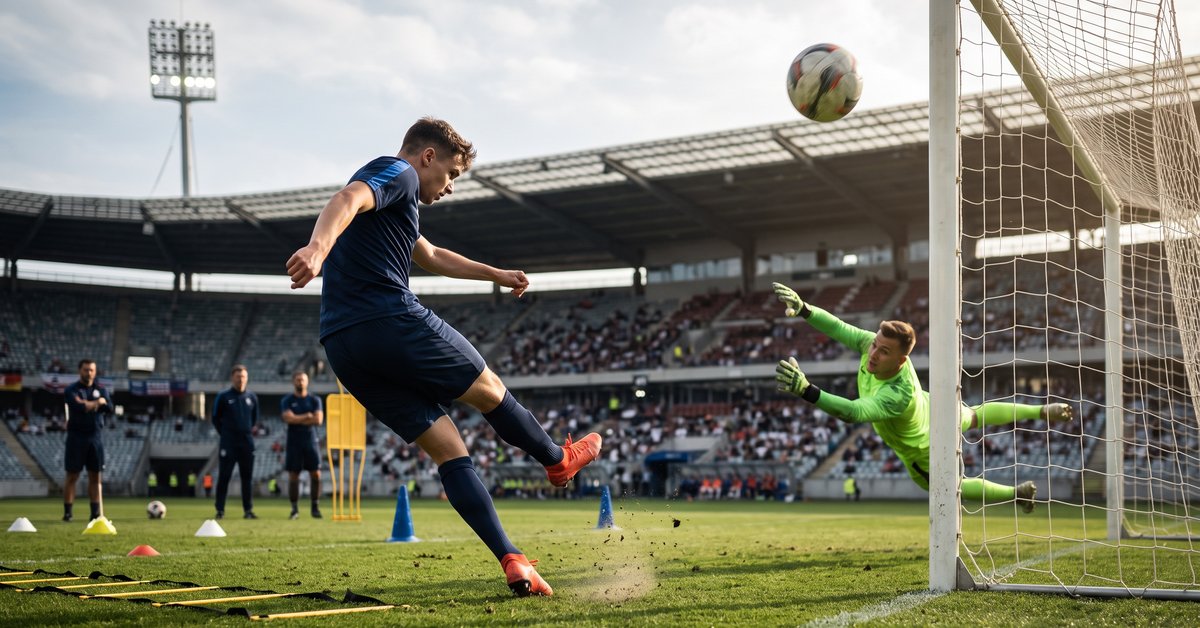
Young footballers get fitter by playing regularly, adding short bursts of speed and strength work, warming up properly and sleeping enough. The aim is a body that can enjoy the game for years, not a programme that wears it out. This guide covers what the NHS says about activity, how to build speed and stamina, and why recovery matters as much as training. It is general guidance; ask a qualified coach, physio or GP if a child has pain or a medical condition.
How much activity do young players need?
The NHS says children and young people aged 5 to 18 should aim for an average of at least 60 minutes of moderate or vigorous activity a day across the week. It also says they need two types of activity: aerobic activity, and exercises that strengthen muscles and bones. The NHS lists football, gymnastics, jumping and martial arts among the activities that do the second job. A footballer who trains and plays most weeks is likely to be active, but total activity includes everything: school sport, walking, playing out.
Build speed the safe way
- Keep sprints short. Efforts of a few seconds, with full recovery between them, are a common way to train speed without wearing a player out.
- Include changes of direction. Football is stop, start and turn. Cone patterns and small games train this.
- Focus on technique. Running tall, driving the arms and landing softly matter as much as effort.
- Stop when it drops. If the quality of sprints falls, the session has done its job.
Build stamina through the game
Young players build much of their football fitness from games and small-sided games, because they combine running, stopping and decisions. Add variety: different pitch sizes, short intervals of play, and games with simple rules. Games give a young player more football-specific work than long steady runs.
Strength and landing
Bodyweight exercises such as squats, lunges, press-ups and planks, plus jumping and landing practice, help players build strength and body control. The NHS lists sit-ups, press-ups and resistance exercises among strengthening activities for young people. Ask a qualified coach or physio before adding weights, and keep sessions short and well supervised.
Why the warm-up matters
FIFA's injury-prevention warm-up, FIFA 11+, has research behind it, though the picture is mixed. A cluster randomised trial of 1,892 girls aged 13 to 17 in Norway, which tested the programme that preceded FIFA 11+, found fewer injuries overall (rate ratio 0.68), fewer overuse injuries (0.47) and fewer severe injuries (0.55). The main outcome — lower-limb injuries — was lower but not statistically significant (0.71, with a range of 0.49 to 1.03). A 2024 systematic review of FIFA 11+ Kids, covering 11 studies mostly with players aged 7 to 14, reported roughly a 50% reduction in overall injuries, with more sessions per week linked to more benefit. Those are reported results of studies, and a warm-up cannot remove injury risk. A good warm-up that includes running, strength, balance and landing still makes sense.
Sleep and rest are part of training
Growing bodies recover while they rest. One NHS children's health guide gives these ranges, noting they are only a guide:
| Age | Hours of sleep |
|---|---|
| 6 to 12 | 9 to 12 |
| 13 to 18 | 8 to 10 |
Source: NHS Cambridgeshire and Peterborough children's health. Rest days matter too. The International Olympic Committee's consensus statement on youth athletic development says overuse injuries are the consequence of disproportionate training and repetitive homogenous loads, and calls for sufficient and regular rest and recovery.
A sensible weekly shape
This is an example, not a prescription. Adjust it for age, school and the club's schedule.
- Two or three football sessions or matches.
- One short extra session of speed, coordination and strength — 20 to 30 minutes.
- Play and other activity on other days.
- At least one proper rest day.
- A warm-up before every session.
Warning signs to act on
Persistent pain, pain that gets worse with activity, limping, unusual tiredness, loss of enthusiasm or a drop in mood are reasons to rest and speak to a GP, physio or coach.
Frequently asked questions
How much exercise should a young footballer do?
The NHS says children and young people should aim for an average of at least 60 minutes of moderate or vigorous activity a day across the week, including activity that strengthens muscles and bones.
How can my child get fitter for football?
Play regularly, add short sprints and changes of direction, practise jumping and landing, warm up properly and make sleep and rest a priority.
How much sleep does a young footballer need?
One NHS guide suggests 9 to 12 hours at ages 6 to 12 and 8 to 10 hours at 13 to 18, as a guide only.
Is a gym needed?
Not for most young players. Bodyweight work and games cover a lot. Ask a qualified professional before using weights.
Next step
Fitness helps, but decisions and technique win games. See our guides to football IQ and confidence, or enquire about 1-to-1 coaching to work on the full performance picture — face to face in Norfolk or online.
About the author: Tito is a UEFA Licensed Coach based in Diss, Norfolk.